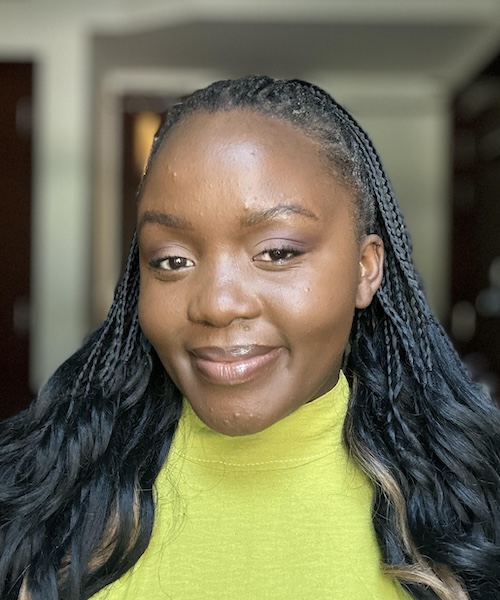
When I was first accepted into the Human Fraternity Fellows Program, I believed I had a clear vision of what I hoped to gain: the ability to engage in open, honest conversations about religion and its impact on today’s divided world. Yet even with that clarity, I couldn’t have predicted what to expect. The fellowship was a completely new environment filled with peers from diverse cultural and faith backgrounds, and meeting people online beforehand could only reveal so much. It was during the one-week, in-person portion of the program that the experience truly came alive in ways I never imagined.
One of the greatest lessons I took from the program was the importance of sharing our stories. I found that the more I spoke honestly about my own thoughts and experiences, the easier it became for others to do the same. These conversations revealed that, despite our different backgrounds, we wrestled with many of the same essential questions about life and faith. At certain intersections—especially around race and gender—we even discovered shared experiences that transcended our differences. By creating space for these honest exchanges, we were able to see both what set us apart and what brought us together.
As a young leader, I also found the dialogue skills we practiced especially valuable. Learning to “follow meaning,” identify differences, listen intentionally, and ask thoughtful questions changed the way I approach conversations. In my own work with young people, I’m often in the role of speaking or teaching, but through this fellowship, I realized how much growth comes from listening deeply. Balancing speaking and listening is something I know will be essential to my journey as an educator and changemaker.
The fellowship was also deeply enriched by our immersion in Indonesia’s culture and its model of religious tolerance. Coming from Zambia, a majority-Christian country, I’m used to religious diversity being peaceful but rarely acknowledged or celebrated. In Indonesia, however, I saw how pluralism is openly recognized and woven into public life, from messages of inclusion to everyday practices. This helped me see how coexistence can move beyond mere tolerance toward genuine inclusion, where every community feels seen and valued.
Finally, the friendships and networks I built through this program are among the most lasting gifts. In just one week, I connected with peers who challenged, supported, and inspired me in equal measure. These relationships, along with the lessons I learned, will continue to shape how I engage with my community back home and how I carry the spirit of human fraternity forward.